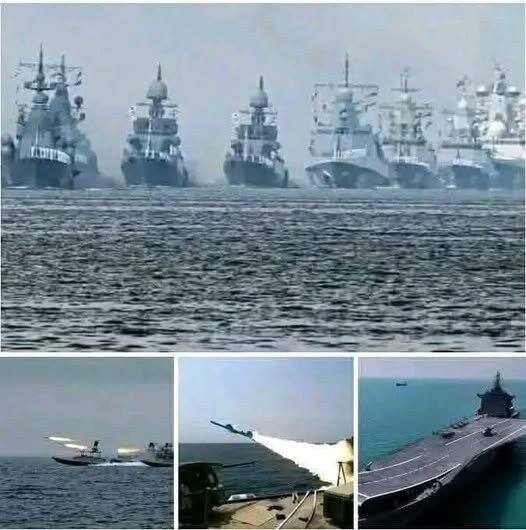
The world today is not defined by clear declarations of war in the old sense. Instead, it is marked by constant tension, where major powers compete, pressure each other, and manage crises without openly crossing into full-scale global conflict. What often looks like total collapse online is usually part of a more complex and controlled geopolitical str….Continue Reading
The war in Ukraine is one of the clearest examples of this. The United States has supported Ukraine through sanctions, logistics, and international coordination while avoiding direct war with Russia. This shows how modern powers often try to weaken rivals through economic, political, and technological pressure instead of direct battlefield confrontation.
At the same time, diplomacy continues quietly in the background even when public rhetoric sounds harsh. Talks involving the United States, Russia, Ukraine, and other countries show that even serious rivals still use negotiation to avoid uncontrolled escalation. This creates a gap between what the public sees in headlines and what is happening behind closed doors.
Modern conflict also spreads through cyberattacks, proxy wars, limited strikes, and disinformation rather than only through open war. Because these lines are less clear, fear and confusion can spread quickly. That is why it is important to understand the difference between real large-scale war and the slower, more ambiguous forms of conflict that define the current era.